


You Are Invited to TNC Joint Budget & Finance Committee Mtg., 5/20@6:30pm
Posted on 05/17/2026R E V I S E D
TARZANA NEIGHBORHOOD COUNCIL
JOINT BUDGET AND FINANCE COMMITTEE AND SPECIAL BOARD MEETING
Wednesday May 20, 2026 6:30 PM (Note Starting Time)
Go to https://us02web.zoom.us/j/823 5360 9169
Zoom Meeting Online or By Telephone
Dial 1 (669) 900-6833 to Join the Meeting
Then Enter This Webinar ID: 823 5360 9169 and Press #
To View the Agenda CLICK HERE
You Are Invited to the TNC Land Use Committee mtg., 5/19 @7PM
Posted on 05/17/2026TARZANA NEIGHBORHOOD COUNCIL
Land Use Committee
Tuesday April 28, 2026 7:00 PM
Tarzana Child Care Center
5700 Beckford Ave.
Tarzana, CA 91356
Agenda CLICK HERE
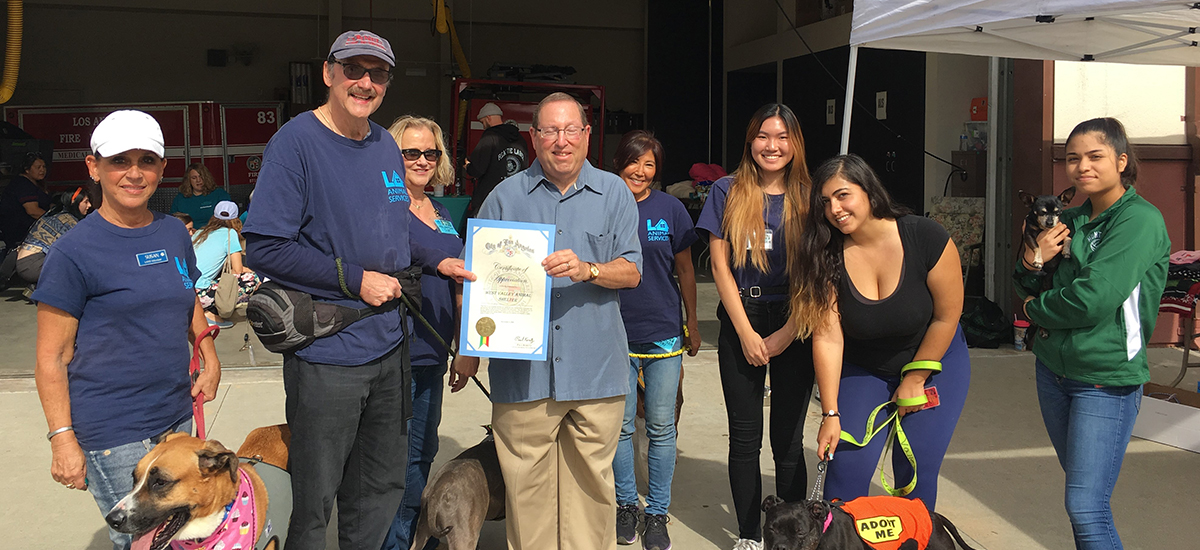
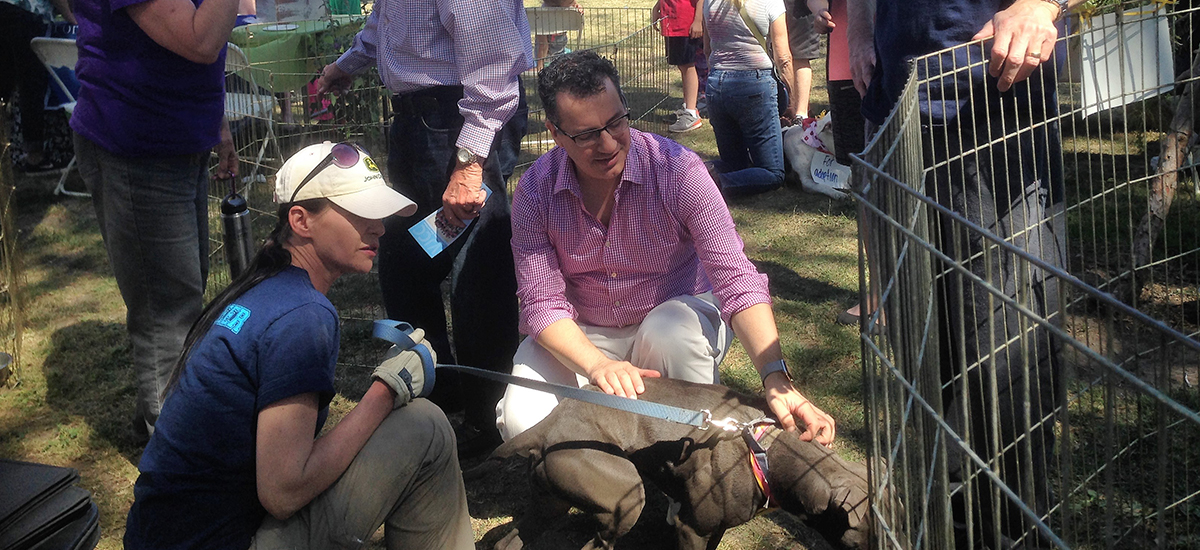
LA Animal Services - May Waived Adoption Fees & Events
Posted on 04/30/2026Waived Adoption Fees in May - Celebrate National Pet Month!
LA Animal Services is waiving adoption fees throughout the month of May! Thanks to the Carroll Petrie Foundation & the ASPCA, we're celebrating National Pet Month by offering waived adoption fees for dogs and cats over 4 months!
Furry friends adopted from LA Animal Services join their new families already spayed or neutered, vaccinated, and microchipped. Adopters also receive a Petco flyer with discounts to help make their pet adoption a success and a VCA Healthy Start Certificate, which provides up to $250 for follow-up veterinary care within the first 14 days of adoption. In addition, dogs are also eligible for free dog training classes with Paws for Life K9 Rescue at their People & Pet Innovation Center in Mission Hills, CA. Contact info@
If you can't adopt, consider fostering a pet. When you foster a canine buddy or feline friend, you not just save the life of that animal, but also free up a space for another dog or cat in need. Click on the links to view canine buddies and feline friends available for adoption or fostering.
For more information: www.laanimalservices.com Facebook
You Are Invited to the TNC Board Meeting, 4/28, 7PM
Posted on 04/28/2026TARZANA NEIGHBORHOOD COUNCIL
BOARD MEETING
Tuesday April 28, 2026 7:00 PM
Tarzana Child Care Center
5700 Beckford Ave.
Tarzana, CA 91356
Agenda CLICK HERE
CD3 Election Debate - April 27, 6:30PM
Posted on 04/19/2026JOIN US AT THE CD3 ELECTION DEBATE


LA ANIMAL SERVICES TIPS AND ADOPTION EVENTS
Posted on 04/02/2026- The Easter basket. Our pets often see these festive décor as something to eat or play with. Colorful eggs, plastic grass, chocolate, and candy can be toxic to pets if eaten. To keep pets safe, place baskets filled with goodies out of reach. If you plan an egg hunt with children, keep pets indoors and away from the plastic eggs.
- Beware of festive flowers and plants. Easter lilies are one of the most dangerous plants around your pet, especially cats. Call your veterinarian immediately if you see your cat licking the flower.
- Keep alcohol and people's food away from pets. We tend to share our meals with our pets, which often results in overindulgence. Even when we don’t purposely include them, our dog or cat can sneak a bite of food from the kitchen counter, trash, or the dining room table. Dogs and cats can suffer very serious and sometimes fatal consequences from consuming too much rich and fatty foods, yeast dough, chocolate, grapes, raisins, and from just plain overeating. Instead of giving your companion animal leftovers, stop by a pet store and purchase a special treat, made especially for them.
- Don’t buy animals as impulsive gifts. Although bunnies and baby chicks are cute, they should not be given as Easter gifts. Bunnies and chicks are pets that require special feedings and care, and their needs should be fully researched before bringing one home. Before adopting a rabbit, please view our rabbit care resource guide at

LA Animal Serices - Adoption Events
Posted on 04/02/2026- April 4-5: Happy Easter Adoption Weekend
- April 11-12: Biggies & Meow Meows sponsored by Pet Care Foundation
- April 18-19: Adopt Love Adoption Event
- April 25-26: National Adopt a Shelter Pet Adoption Weekend
Furry friends adopted from LA Animal Services join their new families already spayed or neutered, vaccinated, and microchipped. Adopters also receive a Petco flyer with discounts to help make their pet adoption a success and a VCA Healthy Start Certificate, which provides up to $250 of follow up veterinary care within the first 14 days of adoption. In addition, dogs are also eligible for free dog training classes with Paws for Life K9 Rescue at their People & Pet Innovation Center in Mission Hills, CA. Contact info@
If you can't adopt, consider fostering a pet. When you foster a canine buddy or feline friend, you not just save the life of that animal, but also free up a space for another dog or cat in need. Click on the links to view canine buddies and feline friends available for adoption or fostering.

Tailwaggers Adoption Event Join us on Saturday, April 4, 2026, from 11 AM to 2 PM for an unforgettable adoption event at Tailwaggers in Los Angeles! LA Animal Services will be on-site with adoptable pets currently in foster care. Meet furry friends currently in foster care and talk with foster families to learn what the dog or cat is like in a home setting...are they crate- or house-trained, couch potatoes or playful and active? See you there!
TNC Open Board Member Seats
Posted on 02/22/2026TARZANA NEIGHBORHOOD COUNCIL OPEN BOARD MEMBER SEATS
When you see something happening in our community that doesn’t look right, have you ever asked, “Why doesn’t somebody do something about that?” Or, when you see some trash has been cleaned up or some graffiti has been removed do you ever ask, “I wonder who got that done?” Have you ever asked yourself, “What can I do to make my community a better place?” The answer to your questions may be the Tarzana Neighborhood Council. What is the Tarzana Neighborhood Council? It’ a group of volunteers who have been elected by Tarzana stakeholders to help bring government closer to the community and to work with our local government officials to help make Tarzana place stakeholders want to live and work.
Right now, the Tarzana Neighborhood Council has openings on its board. If you live, work, or own real property in Tarzana, you may qualify for one of the following positions: Residential Renter; Homeowner; Business owner or employee; or as an At Large Representative. If you’re interested or would like more information please contact us at [email protected].
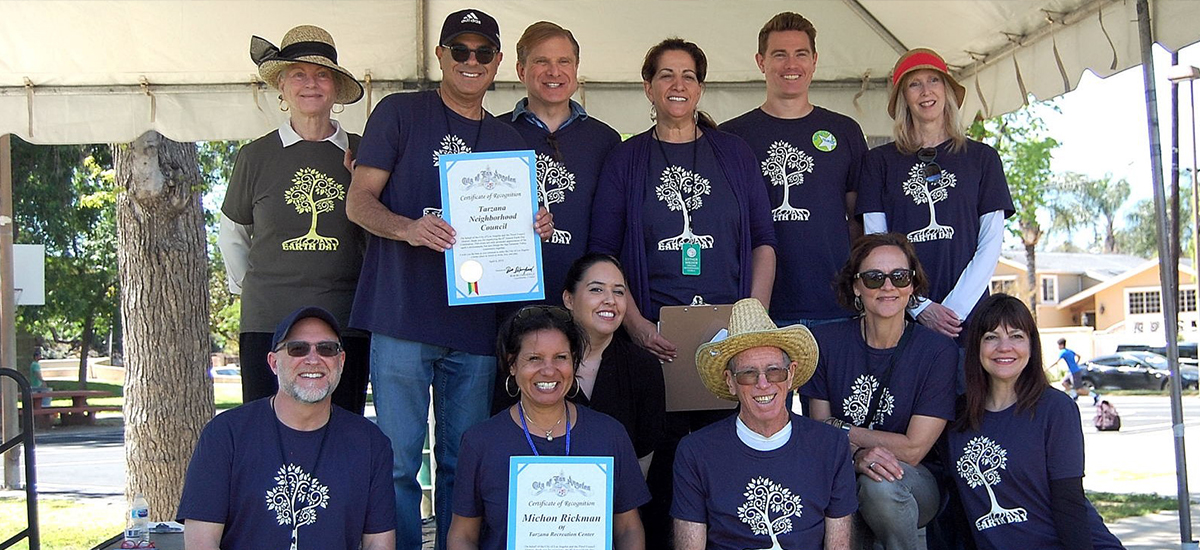
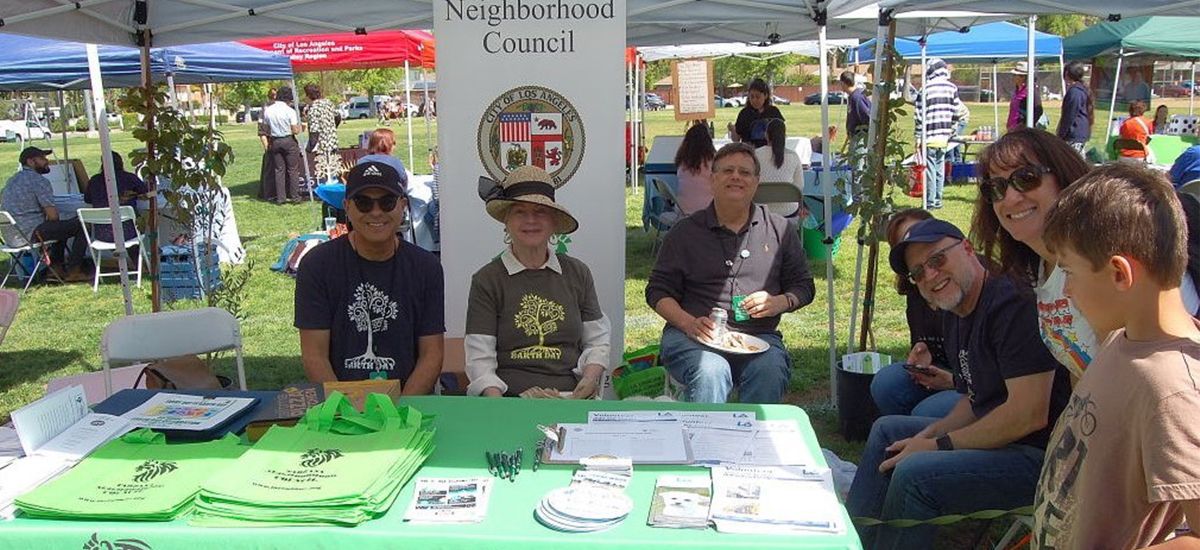
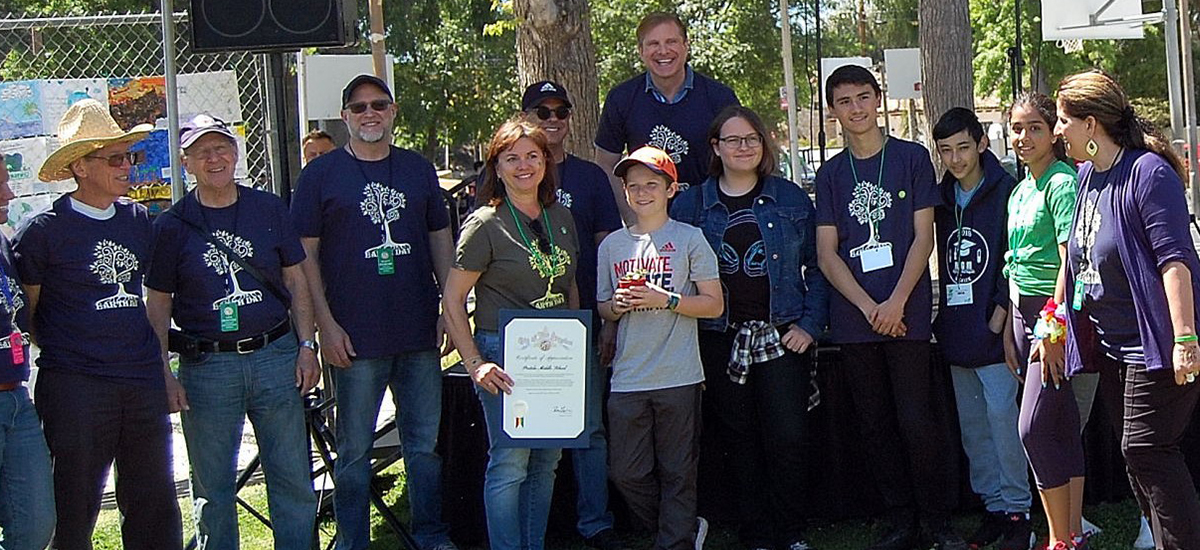
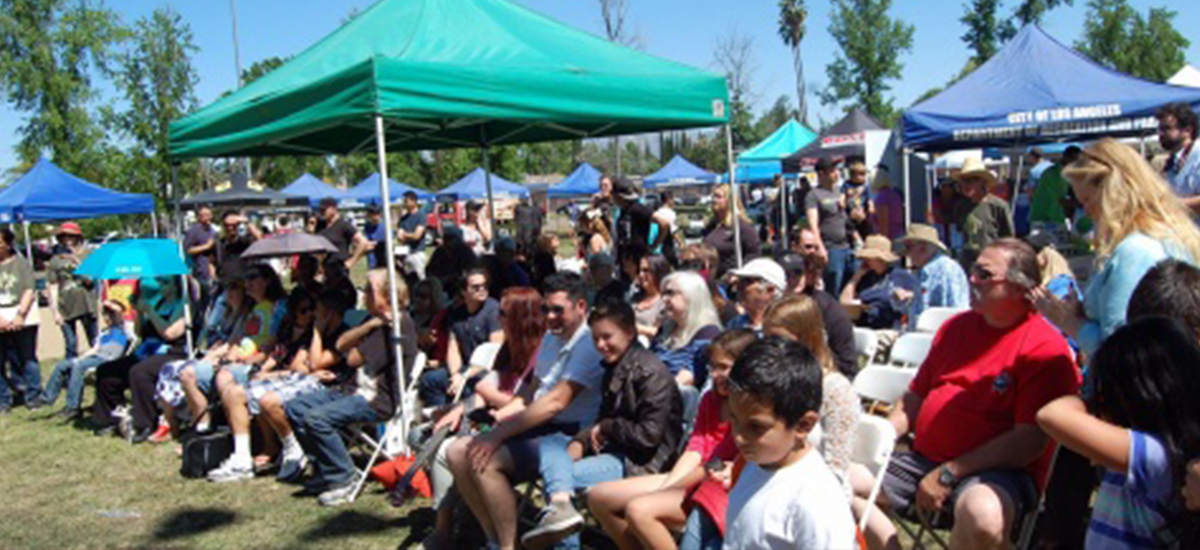
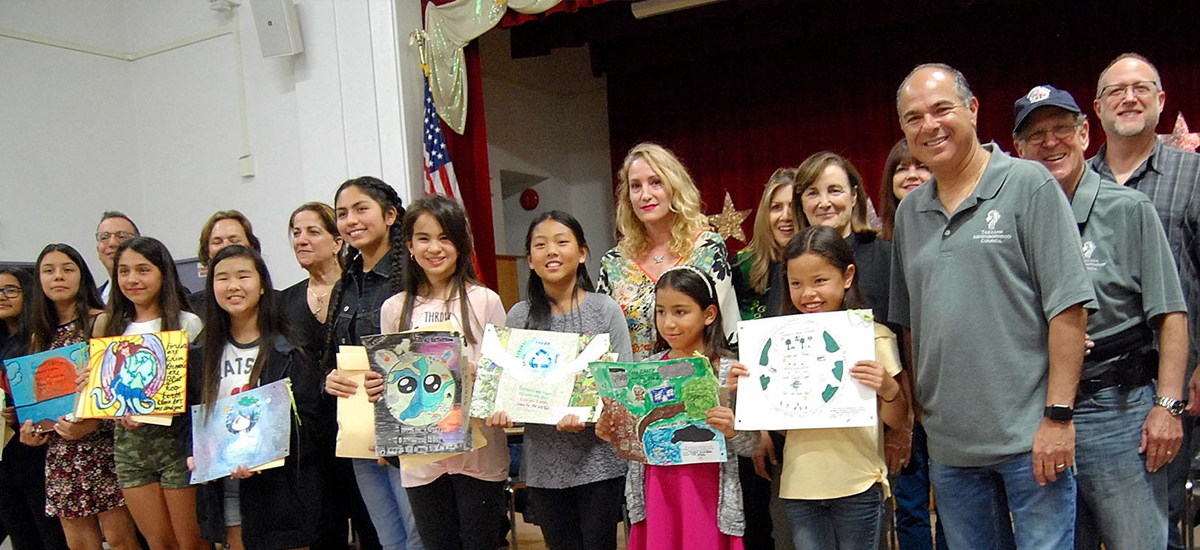
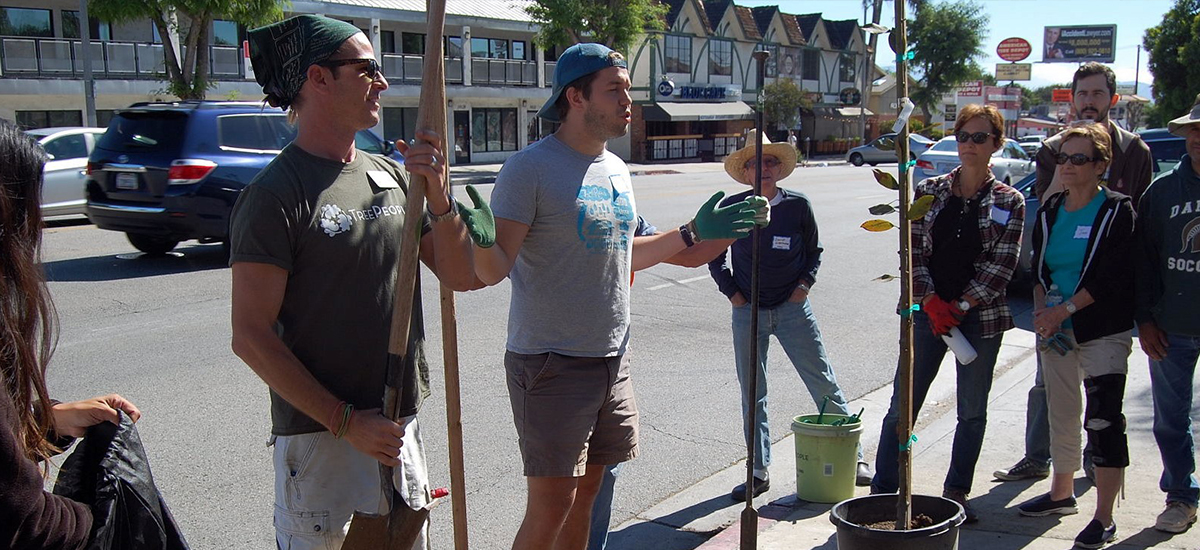
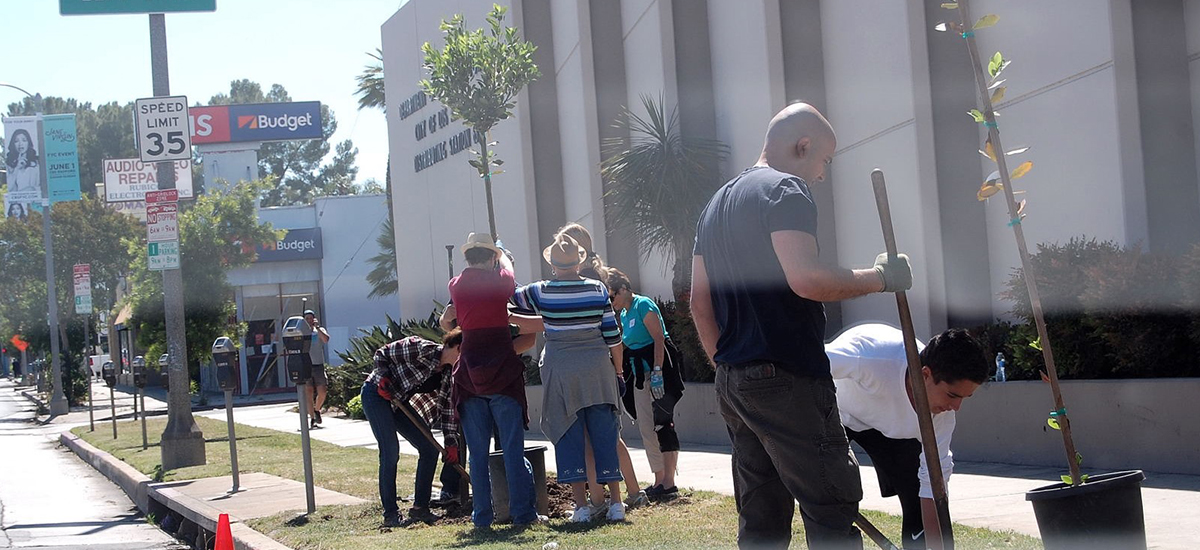
13th Annual Earth Day Festival, Sat., April 11, 10am-2pm
Posted on 03/24/2026
MyLA311 Services and AP
Posted on 04/02/2026
3-1-1 is your one-stop connection to hundreds of City services, all from your phone or computer. Over the years, You can use 311 to help get City services to where they're needed most. From requesting bulky item pickups to reporting graffiti on bus shelters, dial 311 or visit LACity.gov/MyLA311 to file a report, or even better, download the MyLA311 app to your smartphone.
View Previous Posts
Upcoming Meetings & Events

Join Our Mailing List

Neighborhood Council Calendar